Curvsive Tracing: A Powerful Tool for Teaching Cursive Writing
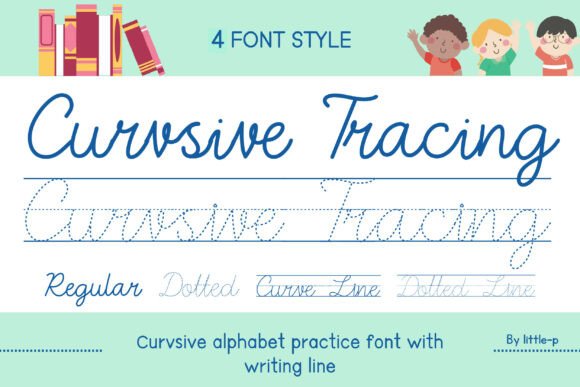
Cursive writing is more than just a skill—it's a bridge between literacy and creativity. For educators, parents, and homeschooling enthusiasts, finding the right tools to teach cursive can be challenging. Enter Curvsive Tracing, an innovative educational handwriting practice font designed specifically to support the development of cursive writing in children. This font offers four distinct instructional styles—Regular, Dot, Curve Line, and Dot Line—each tailored to guide learners through different stages of mastery. Whether you're preparing worksheets, lesson plans, or classroom printables, Curvsive Tracing provides a structured and engaging approach to building fine motor skills and writing confidence.
Understanding the Four Instructional Styles
The power of Curvsive Tracing lies in its thoughtful design that caters to various learning phases. Each style serves a unique purpose, making it easier for students to progress from visual reference to independent writing.
- Regular Style: This style presents clean, clear letterforms without any additional guidance. It’s perfect for students who have already developed basic handwriting skills and are ready to practice writing independently.
- Dot Style: Featuring dots at key points in each letter, this style helps learners visualize the direction and flow of strokes. It’s especially useful for beginners who need extra support in forming letters correctly.
- Curve Line Style: With subtle curve lines guiding the path of each stroke, this style offers a balance between visual cues and independence. It supports students as they transition from guided tracing to more confident writing.
- Dot Line Style: Combining the benefits of both dot and curve line styles, this option provides a comprehensive guide for learners. It’s ideal for those who benefit from multiple forms of visual feedback during the learning process.
By offering these varied styles, Curvsive Tracing ensures that every child can find the right level of support for their individual needs. Teachers can easily adapt materials to suit different learning paces and abilities, fostering a more inclusive and effective teaching environment.
Why Structured Writing Lines Matter
One of the standout features of Curvsive Tracing is its use of structured writing lines. These lines serve as a framework for students, helping them maintain proper letter spacing, alignment, and overall handwriting structure. In a world where digital communication is increasingly prevalent, the ability to write legibly by hand remains an essential skill.
Structured writing lines also play a crucial role in developing fine motor skills. As children trace along these lines, they strengthen the small muscles in their hands and fingers, which are vital for tasks like typing, drawing, and even everyday activities such as tying shoelaces. The repetitive motion involved in tracing reinforces muscle memory, leading to more fluid and confident writing over time.
Moreover, structured lines help prevent common issues like letter slanting, inconsistent sizing, and poor spacing. These problems can hinder readability and lead to frustration, especially in younger learners. By using Curvsive Tracing, educators can create a consistent and supportive environment that encourages progress rather than discouragement.
Applications in the Classroom and Beyond
Curvsive Tracing is not limited to traditional classroom settings. Its versatility makes it an excellent resource for homeschooling families, after-school programs, and even therapeutic environments where handwriting therapy is used to support children with developmental delays or learning disabilities.
In a typical classroom, teachers can incorporate Curvsive Tracing into daily lessons by creating custom worksheets, flashcards, and interactive activities. These materials can be printed or digitized for easy access and reuse. For homeschoolers, the font offers a flexible and self-paced learning tool that can be integrated into a broader curriculum focused on language arts and fine motor development.
Additionally, Curvsive Tracing can be used to create personalized writing journals or practice books that allow students to track their progress over time. This not only builds confidence but also provides valuable insights into how each child is developing their writing skills.
Building Confidence Through Practice
Confidence is a key component of successful learning, and Curvsive Tracing plays a significant role in nurturing this trait. By providing clear visual guides and structured support, the font reduces the anxiety that often accompanies the early stages of learning cursive. Students feel more empowered as they see tangible progress in their writing abilities.
Furthermore, the gradual progression from visual reference to independent writing mirrors the natural learning curve of most children. This step-by-step approach ensures that learners are not overwhelmed by complex tasks before they’re ready. Instead, they build skills incrementally, reinforcing their understanding and boosting their self-esteem along the way.
Teachers and parents should also consider incorporating positive reinforcement strategies when using Curvsive Tracing. Praising effort, celebrating small victories, and encouraging perseverance can make a world of difference in a child’s motivation and willingness to continue practicing.
Choosing the Right Tools for Effective Learning
When selecting a handwriting practice tool like Curvsive Tracing, it's important to consider factors such as clarity, adaptability, and ease of use. A well-designed font should be visually appealing yet simple enough for young learners to follow. It should also offer flexibility so that educators can tailor materials to meet the specific needs of their students.
Another consideration is the availability of resources. Many educators rely on pre-made worksheets and lesson plans, so having access to a wide range of printable materials can save time and effort. Curvsive Tracing addresses this need by providing a comprehensive set of fonts that can be easily customized for various learning objectives.
Lastly, it's worth noting that the effectiveness of any handwriting tool depends on consistent use. Incorporating Curvsive Tracing into regular writing practice sessions helps reinforce skills and ensures long-term success. Whether used in the classroom or at home, this font is a valuable asset for anyone committed to fostering strong writing habits in children.