The Allure of Making: A Handwritten Font for Elegant and Casual Design
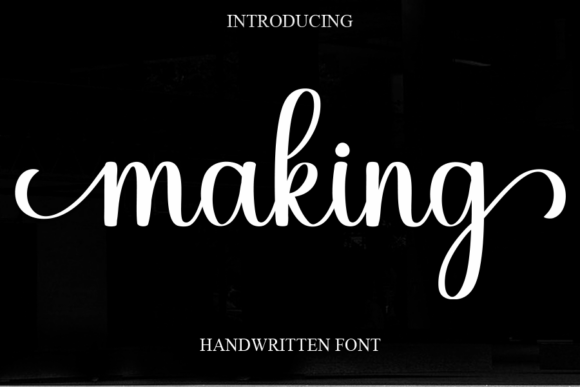
When it comes to design, the choice of typography can make or break the visual impact of a project. Among the many fonts available, Making stands out as a unique blend of sweetness and elegance. This cursive handwritten font is not just visually appealing—it also carries an emotional resonance that can elevate any creative endeavor. Whether you're designing a logo, crafting a greeting card, or building a brand identity, Making offers a versatile and expressive option that balances sophistication with a touch of playfulness.
What Makes Making a Standout Choice?
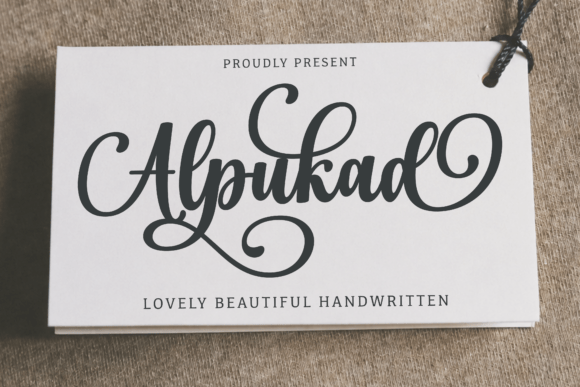
Making is more than just a font; it's a style that speaks volumes. Its gentle curves and flowing lines evoke a sense of warmth and approachability, making it ideal for designs that aim to connect with audiences on a personal level. The font’s soft, handwritten appearance adds a layer of authenticity and charm, which can be particularly effective in branding and marketing efforts aimed at younger demographics or those who value creativity and individuality.
One of the key features of Making is its adaptability. It works well across various mediums, from digital platforms like websites and social media to print materials such as invitations, brochures, and packaging. Its versatility allows designers to maintain a consistent aesthetic while tailoring the font to suit different contexts and purposes.
Use Cases for Making in Design Projects
The beauty of Making lies in its broad range of applications. Let's explore some of the most common use cases where this font shines:
- Wedding Invitations: Making brings a romantic and elegant touch to wedding-related designs, making it perfect for save-the-dates, programs, and thank-you notes.
- Branding: For small businesses or startups, Making can help create a memorable brand identity that feels both professional and personable.
- Greeting Cards: Whether it's a birthday, anniversary, or sympathy card, Making adds a heartfelt and stylish element to your message.
- Fashion and Lookbooks: In the fashion industry, Making can be used to highlight product names, taglines, or campaign slogans, giving them a distinctive and artistic flair.
- Marketing Promotions: From posters to social media graphics, Making can enhance the visual appeal of promotional content without overpowering the message.
Each of these scenarios demonstrates how Making can be seamlessly integrated into different design projects, offering a balance between formality and casualness that appeals to a wide audience.
Why Choose Making Over Other Fonts?
While there are countless fonts available, Making distinguishes itself through its unique combination of characteristics:
1. Visual Appeal: The font’s cursive style and gentle curves create a visually pleasing effect that draws the eye and enhances readability. It’s especially effective when paired with other design elements like illustrations or photographs.
2. Emotional Connection: Because it mimics handwriting, Making evokes a sense of intimacy and sincerity. This makes it ideal for projects that aim to build trust and foster a connection with the audience.
3. Versatility: As mentioned earlier, Making is highly adaptable. It can be used in both digital and print formats, and it scales well across different screen sizes and resolutions.
4. Timeless Elegance: While it has a casual feel, Making doesn’t compromise on elegance. Its refined structure ensures that it remains stylish and relevant even in a rapidly evolving design landscape.
Best Practices for Using Making in Your Designs
To get the most out of Making, consider the following best practices:
- Pair with Complementary Fonts: While Making is beautiful on its own, it often benefits from being paired with a sans-serif or serif font for contrast and balance.
- Use in Moderation: Like any bold font, Making should be used sparingly to avoid overwhelming the viewer. Reserve it for headlines, logos, or key messages.
- Test Across Devices: Ensure that Making looks great on all devices, including mobile phones and tablets. Check for legibility and spacing issues.
- Consider the Audience: Think about who your target audience is and how they might perceive the font. Making is particularly well-suited for younger, creative, or emotionally engaged audiences.
- Explore Customization Options: Some platforms offer customization tools that allow you to tweak the weight, spacing, and style of Making to better fit your project’s needs.
By following these guidelines, you can ensure that Making is used effectively and consistently across all your design projects, enhancing both the visual and emotional impact of your work.
Real-World Examples of Making in Action
Let’s take a look at some real-world examples of how Making has been successfully implemented in various industries:
Example 1: Wedding Branding
A boutique wedding planner used Making to create custom stationery and signage for their events. The font’s romantic and elegant style complemented the overall theme, creating a cohesive and memorable experience for couples.
Example 2: Fashion Lookbook
A fashion designer incorporated Making into their lookbook to highlight product names and taglines. The font added a touch of personality and creativity, helping to differentiate their brand from competitors.
Example 3: Social Media Campaign
A lifestyle brand used Making in their Instagram captions and post graphics. The font’s casual and friendly appearance helped to engage followers and reinforce the brand’s relatable and approachable image.
These examples illustrate how Making can be tailored to fit different industries and purposes, proving its value as a versatile and expressive design tool.
Conclusion
In conclusion, Making is a font that offers both beauty and functionality. Its gentle, handwritten style brings a sense of warmth and authenticity to any design project, making it an excellent choice for a wide range of applications. Whether you're a professional designer, a hobbyist, or a business owner, Making can help you create visually striking and emotionally engaging content that resonates with your audience.